
Match Analysis
The most notable matches, explained
Tactical analysis, player performance, key stats and the decisions that shaped each match — to understand what happened on the pitch and why.
Analysis 01
Levante UD — FC Barcelona
 Watch on YouTube
Match context
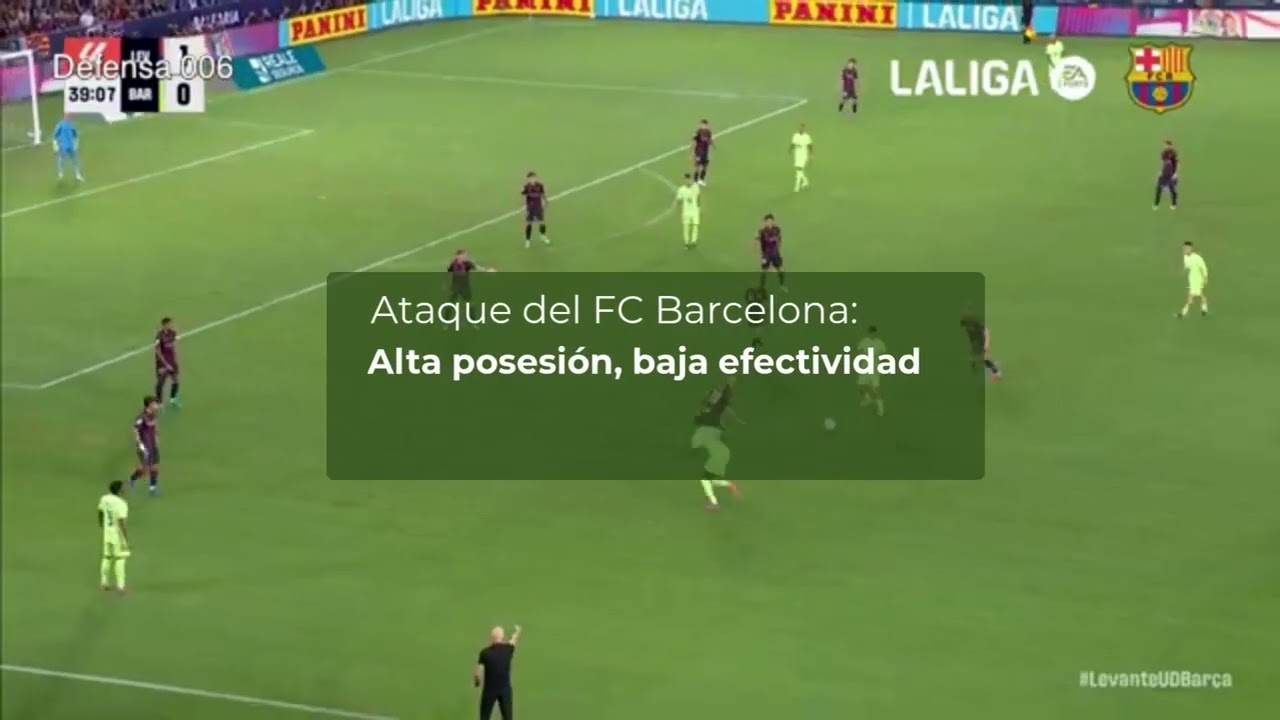
Barcelona dominated possession for most of the match, but struggled to turn that dominance into clear goalscoring chances. 3 of their goals conceded came from set pieces.
Levante UD — offensive analysis
Levante produced 10 offensive actions, all classified as counter-attacks — there was no positional attack. Of these actions, 2 ended in a goal (1 on the counter and 1 penalty won from a counter-attack) and 4 more created very clear chances. This shows a very direct and efficient offensive model.
Levante UD — defensive analysis
Levante recorded 14 defensive actions and maintained a solid defensive structure for most of the match, managing to limit Barcelona’s chances in open play.
FC Barcelona — offensive analysis
Barcelona created around 14 offensive actions, but with little danger in open play. Two of their goals came from set pieces (corners), and the third after a period of sustained pressure in the closing minutes — reflecting the difficulties in breaking down Levante’s defensive structure.
Conclusion
Despite dominating possession, Barcelona relied heavily on set pieces and a late push to win the match, while Levante showed a more efficient and direct offensive model through counter-attacks.
Analysis 02
Arsenal FC — Manchester United
 Watch on YouTube
Match context
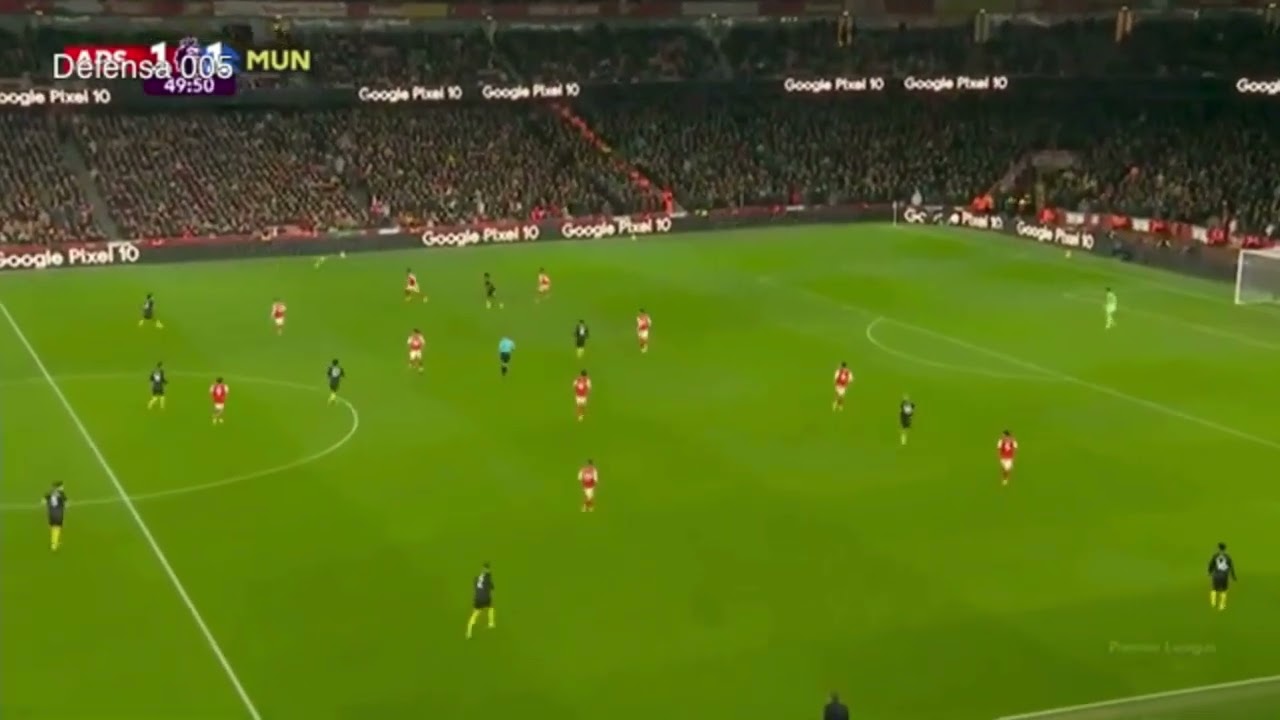
Arsenal start the match with an offensive approach, combining direct attacks with runs into the opposition half. The match reflects a clear contrast of styles: possession dominance and offensive volume from Arsenal against a more direct, reactive Manchester United.
Arsenal — offensive analysis
Arsenal progress quickly from the start, although their first chance doesn’t turn into a clear opportunity. Their playing model is better seen in the following move, through a long, structured spell of possession that lets them settle in the opposition half, shift the defensive block and create space — an action that ends in a goal and reflects their ability to attack in a set structure. The team also finds solutions from set pieces, creating an advantage from a corner that they convert into their second goal.
Manchester United — offensive analysis
United set out a more direct, reactive approach: after winning the ball back, they launch fast transitions that create danger, such as one action that came close to ending in a goal. The key moment of the match comes with a mistake in Arsenal’s build-up, which United exploit to win the ball back in a dangerous area and finish quickly. From there, they show great offensive efficiency: creating danger from few chances and scoring from distance with a shot from outside the box, repeating the same pattern of effectiveness in the match’s final action.
Conclusion
The match reflects a clear contrast of styles, with a dominant Arsenal in possession and offensive volume against a more direct and efficient Manchester United. The final difference comes down to efficiency: Manchester United made better use of their chances and decided the result.
Analysis 03
FC Barcelona — Atlético de Madrid
 Watch on YouTube
Copa del Rey 2025/26 — semi-final second leg
Match context
Copa del Rey semi-final second leg between Barcelona and Atlético de Madrid, with Barcelona looking to overturn the deficit from the first leg. An approach built on high pressing, territorial dominance and a build-up of chances.
FC Barcelona — offensive analysis
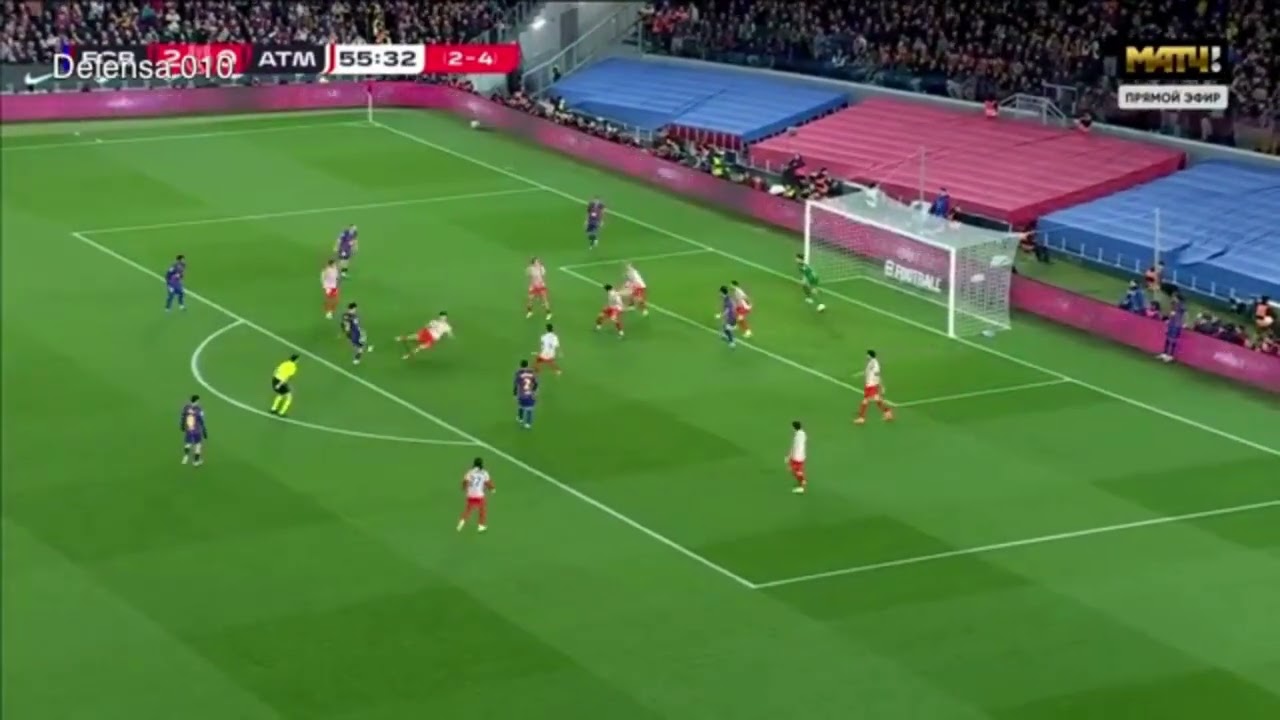
Barcelona win the ball back in a high block after pressing and create a quick chance with a shot on goal that becomes their first goal, reflecting their intent to attack immediately after winning the ball. From a set piece, they play a short corner that lets them create a better attacking situation and finish for their second goal. In positional attack, they combine in the opposition half, shift the defensive block and create a clear chance saved by the goalkeeper. The team keeps pressing in the box and manages to win a penalty, which they convert for their third goal, strengthening their control of the match, although without completing the comeback in the tie.
Atlético de Madrid — defensive analysis
Atlético set out the match from a low block, prioritising defensive organisation and protecting their first-leg advantage. Even so, they manage to create danger in isolated moments, with fast, vertical combination play after winning the ball that lets them get close to the opposition box with danger.
Conclusion
The match reflects clear dominance from Barcelona in play and chances, against a more reactive and defensively solid Atlético. Despite winning this match, Barcelona fail to complete the comeback in the tie, highlighting the importance of overall efficiency across two-legged rounds.
Want the analysis of a specific match?
Bespoke match reports, with the same level of detail applied to your team or opponent.